When spring arrives, nature displays its full spectrum of colors. That’s when the black elderflowers (Sambucus nigra) bloom. As a result, they offer a wealth of benefits and opportunities. These delicate white flowers are a delight to the eye. In addition, they hold great potential for use in cosmetic formulations and food products.
What is black elderberry, and how can you tell it apart?
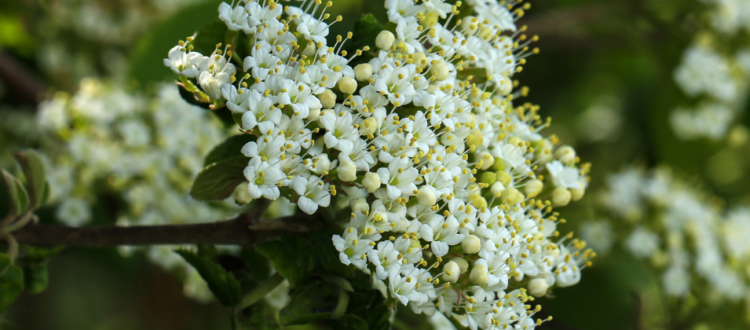
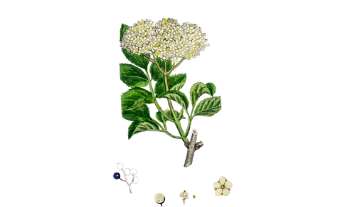
The black elderberry, whose scientific name is Sambucus nigra, is a shrub belonging to the family of Caprifoliaceae. It is found in Europe, Western Asia, and North Africa. Its wood was used to make various wind instruments, such as flutes and whistles. It grows naturally near rivers, around homes, in hedges, and among rubble. Black elder blooms from May through late June, producing beautiful white umbels. Elderflowers form in umbel-like clusters, displaying shades of white and yellow. Over time, these flowers develop into small berries that turn black. Whether it's the berry, the bark, or the flower, all parts of the elderberry have medicinal properties.
Not to be confused with the yellow elderberry Highly toxic! The latter is a herbaceous plant that grows along embankments and in ditches. Although the flowers of these two varieties share similarities, the Yèble elderberry is distinguished by its single stem and does not grow as a shrub. Here are a few differences to help you tell them apart:
- The flowering period: The white elder blooms later, from July to August, while the black elder blooms in May and June; ;
- The stamens Black elderberries are yellow, while yellow elderberries tend to be pinkish in color; ;
- Fruits The yellow elderberry berries point toward the sky, while the black elderberries hang toward the ground; ;
- Size The height of the yellow elderberry is limited to a maximum of 1.80 m;
Medicinal Properties of Black Elderflowers
Black Elderberry is a true gem of nature, long known for its healing properties. It contains vitamins and antioxidants valuable for our bodies. Black elderflower extracts can be used as natural ingredients in cosmetics, skincare products, and hair care products. Their soothing and antioxidant properties make them an attractive choice for cosmetics companies committed to offering high-quality products.
Elderflower has diaphoretic properties, meaning it promotes sweating. It can be used as a tea to help manage fever, thereby encouraging the release of heat. In addition, thanks to its diuretic action, it stimulates the elimination of fluids through urine, making it ideal for treating fluid retention. These two qualities have led to its traditional use in spring cleansing regimens, helping to purify the body.
Elderflowers are not limited to these uses; they also have anti-inflammatory, anti-rheumatic, and antiviral properties. In winter, it is very effective at treating fever, coughs, colds, bronchitis, sore throats, etc. It helps loosen phlegm. In addition, its ability to anti-allergenic provides support for the mucous membranes during the summer months when hay fever is prevalent.
In naturopathy, this plant is often considered miraculous for acne-related skin problems, thanks to its beneficial effects on the skin. Young black elderberry shoots can be used in the production of beauty and skincare products. Their anti-inflammatory properties and moisture-retaining capabilities make them ideal ingredients for moisturizers, serums, and lotions.
Elderflowers: A Real Treat in the Kitchen
Black elderflowers can be used to create unique flavors in beverages, confections, and food products. Chefs and food and beverage manufacturers can explore new flavors by incorporating these flowers into their creations, adding a refined and authentic touch to their products. Who hasn’t tasted the famous Elderflower Sparkling Drink ?
Whether as a syrup, an herbal tea, or a jelly, the possibilities are endless. With its flowers, you can make elderflower lemonade, which is very popular when served chilled in the summer. You can also use them in baked goods or add them to your sauces and creams. They’re also delicious as an oil to dress your salads. The possibilities are endless for the most creative among you!
Since 2005, the SPRITZ aperitif has introduced a new formula made with elderflower. Called the HUGO SPRITZ, its recipe includes elderflower liqueur for its refreshing quality.
In short, the flowers Black elderflower is emerging as a true treasure, combining exquisite flavors with exceptional health benefits. At LHG, we offer hulled and ground elderflowers in a variety of packaging options to suit your needs. As experts in natural products since 1943, we can help you develop your cosmetic and hair care formulations or create custom blends and recipes if you’re a food industry professional.