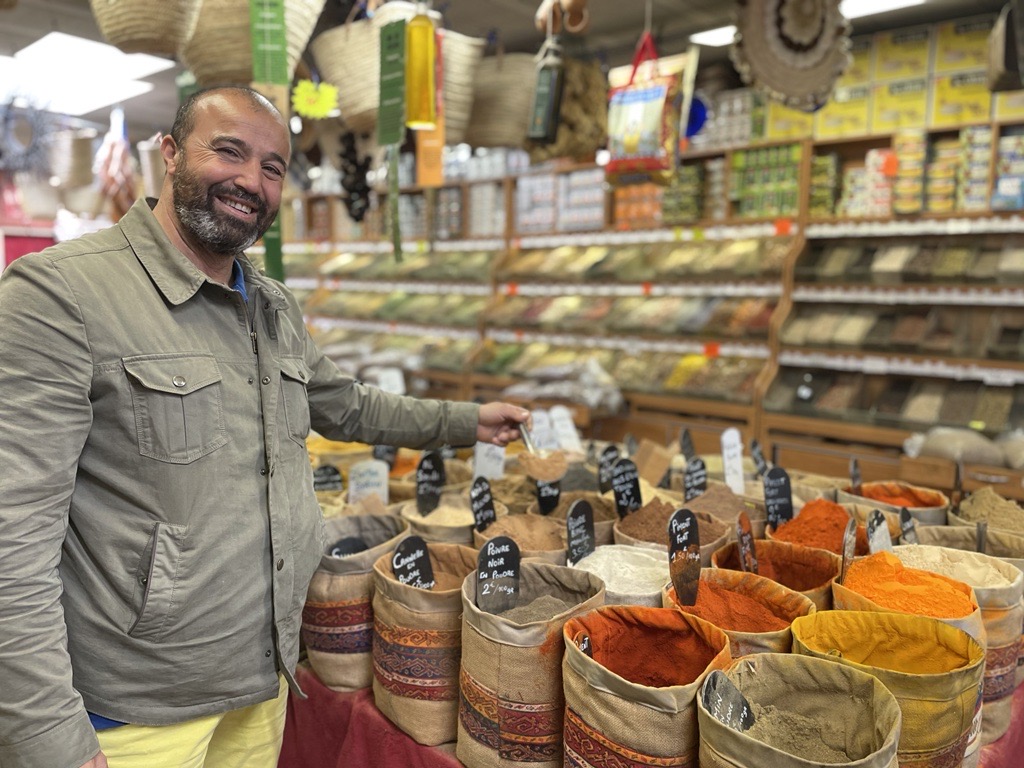
Since its founding in 1943, the Laboratoire d’Herboristerie Générale has worked with meticulous producers. This approach is an integral part of our history. Founded in Marseille, a historic crossroads for spices, our company processes its raw materials at its facility in Aubagne.
This passion gave rise to our desire to control the entire value chain. Historically, our business has encompassed sourcing, processing, and distribution to professionals.
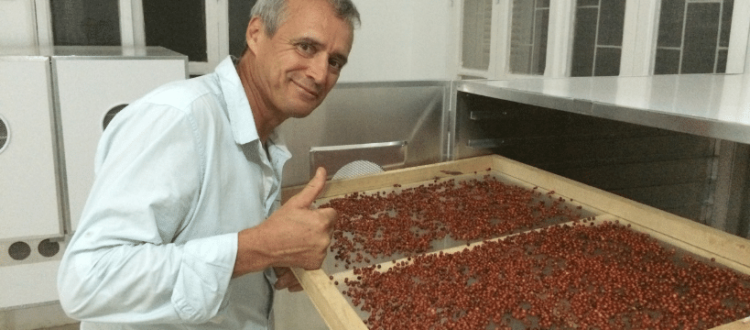
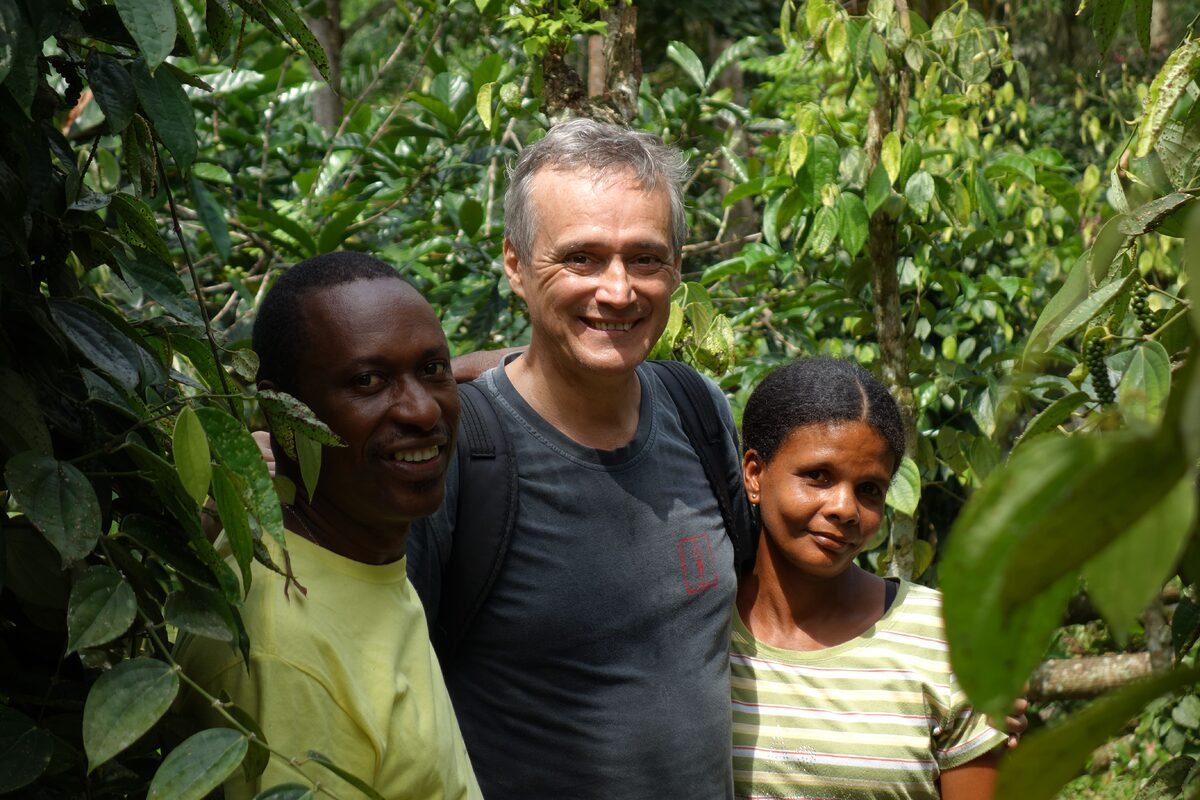
The creation of a pepper production in São Tomé illustrates this expertise in direct sourcing. This approach embodies our commitment to an organic and fair-trade supply chain. Gilles Talrich, president of LHG, recounts the beginnings of this island-based venture for us.
São Tomé and Príncipe, a pristine archipelago with exceptional terroir
Located in the Gulf of Guinea, the archipelago covers 1,000 km² and has a population of approximately 200,000. It is still two and a half times smaller than the island of Réunion. Renowned for its remarkable biodiversity, this island reserve is also listed as one of the UNESCO biosphere reserves.
Geographic isolation, the equatorial climate, and volcanic soil provide the perfect environment for plants. As early as the 19th century, the archipelago became a major center for cacao with the introduction of the variety amelonado. In 1913, the country even dominated global exports under the name «Chocolate Island»
Today, this young republic relies heavily on international aid for its agricultural projects. Successfully establishing such a presence therefore required a rare opportunity. This alignment of the stars occurred in late 2007.
2007: The First Steps of the Pepper Project
In November 2007, Gilles Talrich discovered the region’s agricultural potential through the organic chocolatier Kaoka. The island’s isolation has protected the plantations from cross-pollination. This purity ensures that the crops have exceptional flavor.
At the time, the European Union was funding agricultural aid programs focused on spices. Gilles Talrich immediately flew out to meet Francisco Ramos, a local agricultural engineer.
The challenge seemed immense. At the time, the country relied on pepper imported from Portugal, and local cultivation was virtually nonexistent. To convince farmers to plant pepper vines, it was necessary to guarantee solid and immediate market opportunities.
The Strategic Alliance with Hénaff
In February 2008, executives from the famous Breton brand Hénaff visited LHG’s facilities. This long-standing partner was looking to develop its own spice supply chain.
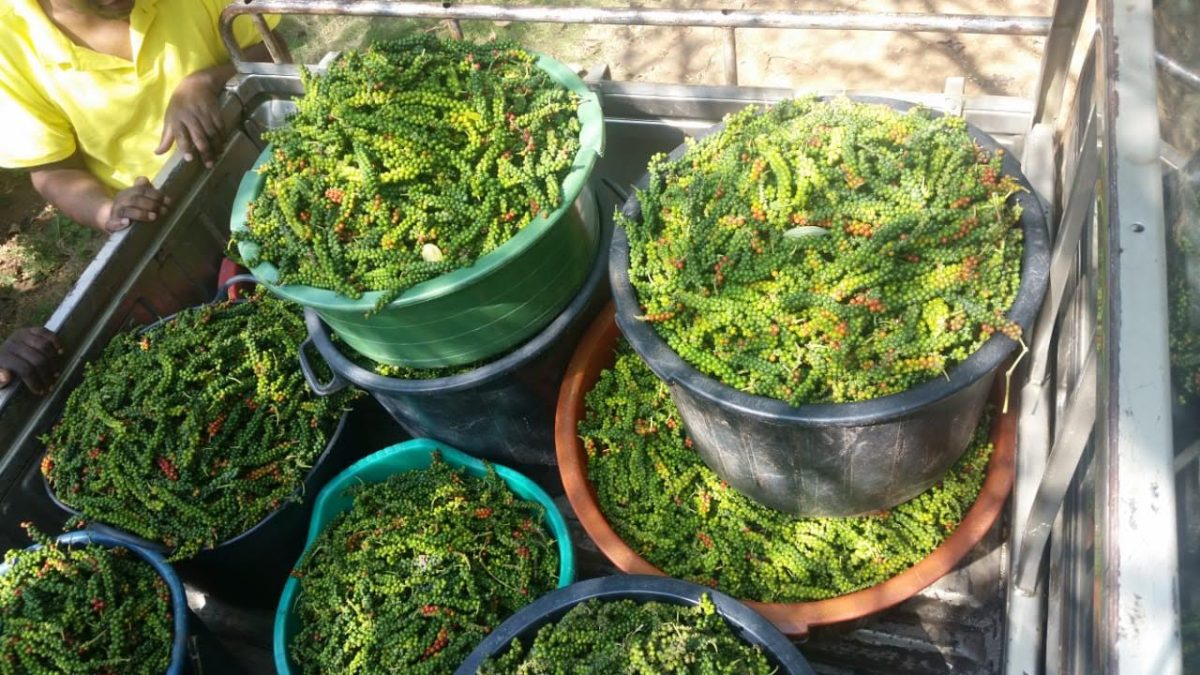
The model is implemented very quickly. Hénaff provides a purchase guarantee by establishing a system for pre-financing harvests. Farmers commit to specific volumes and receive regular payments throughout the year.
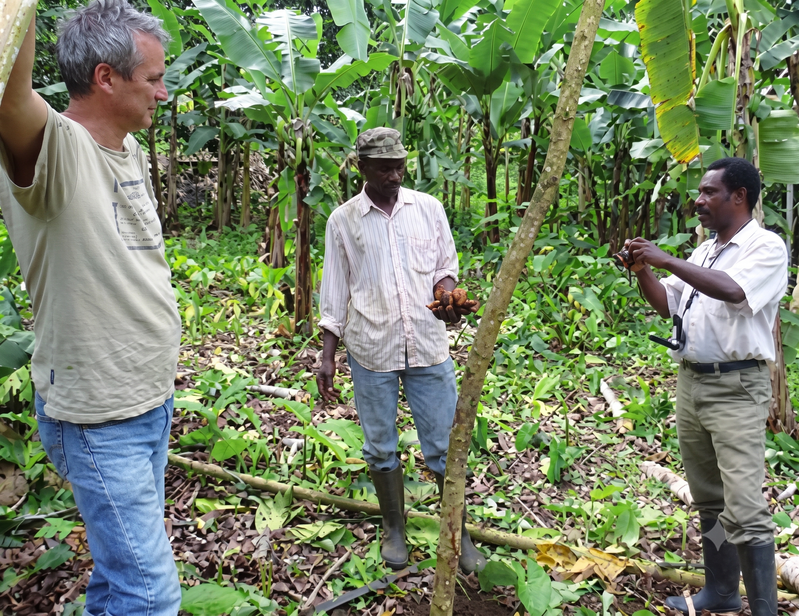
In the fall, LHG receives shipments at the Port of Marseille before delivering them to its factory in Brittany. This secure payment system immediately fostered a climate of trust with local farmers, who are often overlooked by traditional middlemen.
A rigorous agricultural apprenticeship program certified as organic
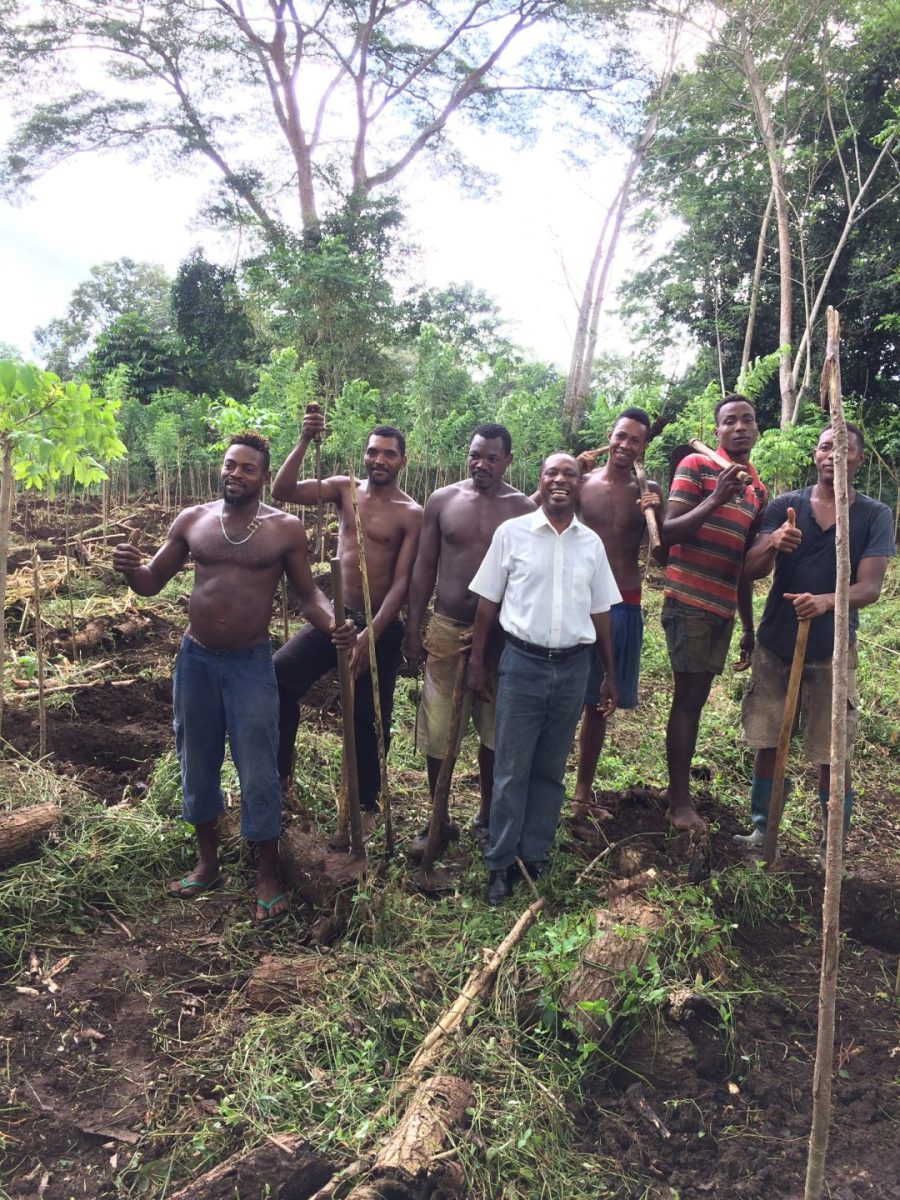
A pepper plant requires four years of care before it produces its first clusters. During this period, LHG provided technical assistance in the field.
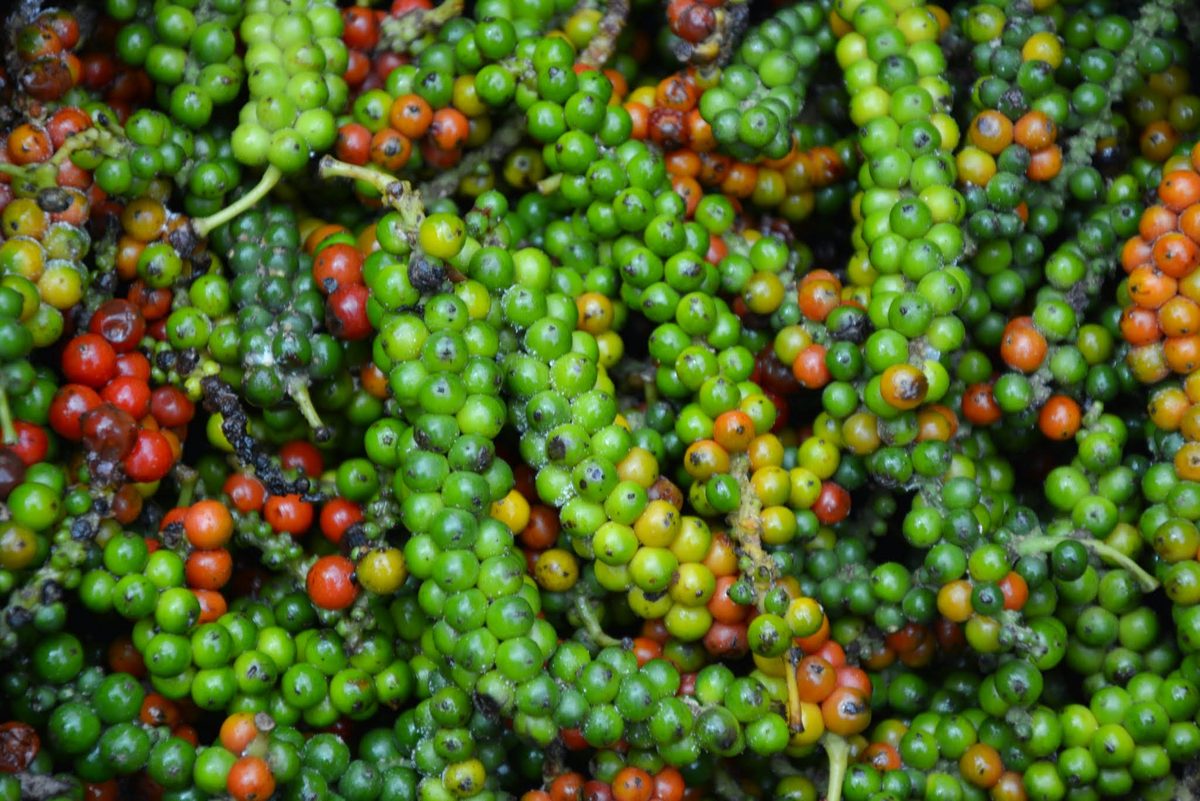
Our specialists drafted the specifications and trained the families in organic farming methods. We set up the sorting centers to ensure that the grains are of impeccable quality and free of any synthetic pesticides.
This collective success demonstrates the strength of a virtuous model. The story now continues on the ground: discover the next chapter of the project and our new challenges in Episode 2 of our saga.