Turmeric is also known as «Indian saffron.» Indeed, it has played a prominent role for millennia. Furthermore, it is used in traditional medicine and cuisine in many Asian countries. This spice comes from the root of the plant Curcuma longa. In fact, it belongs to the Zingiberaceae family, just like the ginger.
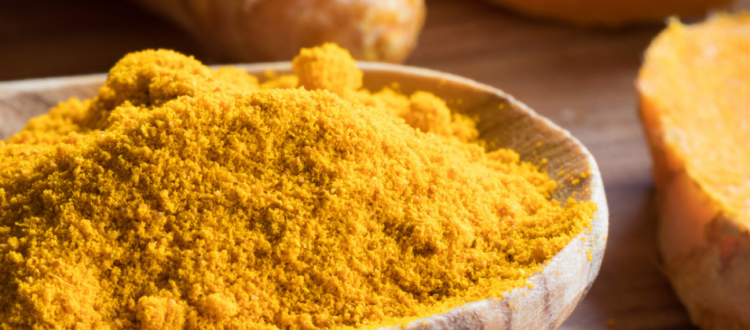
In practical terms, turmeric powder is the’the main ingredient' from the curry. This is what gives it its intense yellow color. Furthermore, this plant is surprisingly versatile. For example, it is used as a spice in cooking, as a food coloring, and as a dye. Finally, it is used in the fields of cosmetics and medicine.
Turmeric: Antioxidant and Anti-Inflammatory Properties
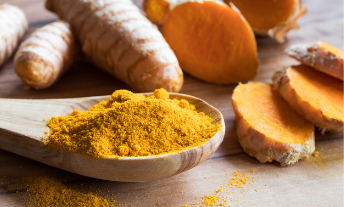
First, the spice comes in the form of orange-yellow rhizomes. Then, once ground, it becomes a fine powder of a similar color.
Its high antioxidant content is a hallmark of the turmeric. Indeed, these compounds protect cells from free-radical damage. However, the body produces these unstable molecules as a result of pollution or stress. That is why the curcumin neutralizes these free radicals. As a result, it reduces oxidative stress and helps prevent various diseases.
In addition, this product has numerous anti-inflammatory properties. Inflammation is a natural reaction of the body. However, chronic inflammation contributes to conditions such as arthritis. Fortunately, studies have demonstrated the effectiveness of this ingredient. In fact, its compounds inhibit certain inflammatory pathways. It is therefore a potential ally in managing these conditions.
Health Benefits and Uses
Turmeric has a positive effect on many aspects of human health. Here are its most notable benefits:
- Type 2 Diabetes: Curcumin helps improve insulin sensitivity. It also helps regulate blood sugar levels.
- Digestive problems: Herbal medicine uses turmeric to relieve bloating. Its properties also help soothe intestinal inflammation.
- Cardiovascular: Antioxidants reduce the risk of heart disease. They protect cells from oxidative damage.
- Ulcer Prevention: Curcumin protects the stomach lining. It reduces damage caused by oxidative stress and prevents ulcers.
- Skin problems: It is a powerful ally in the fight against acne. Turmeric reduces skin inflammation and prevents bacterial infections.
Turmeric in Dietary Supplements: The «Turmeric-Piperine» Combination»
Turmeric is also available in the form of dietary supplements. These supplements provide concentrated doses of curcumin. This makes it easy to reap the benefits of turmeric without changing your diet.
However, be careful with these supplements. The body has difficulty absorbing curcumin on its own (low bioavailability). To improve this, manufacturers often add piperine. This active ingredient in pepper increases the absorption of curcumin. Note, however, that the piperine increases intestinal permeability. This can sometimes cause sensitivities in some people.
Good for your health, a kitchen staple
Turmeric adds a vibrant touch to cooking with its golden hues. Its spicy, earthy aroma works wonders. South Asian cuisines have been using it for centuries to subtly enhance dishes.
This spice adds color and pairs perfectly with other flavors. It enhances a curry or adds flavor to saffron rice. It also adds depth to roasted vegetables. Its distinctive taste is sure to captivate your taste buds.
Use the powder in hot dishes or sprinkle fresh turmeric on a salad. This versatile spice offers a wide range of possibilities.
Are you a chef, caterer, or food buyer? Turmeric will brighten up your dishes. Take your guests on a culinary journey through the exotic flavors of Asia.