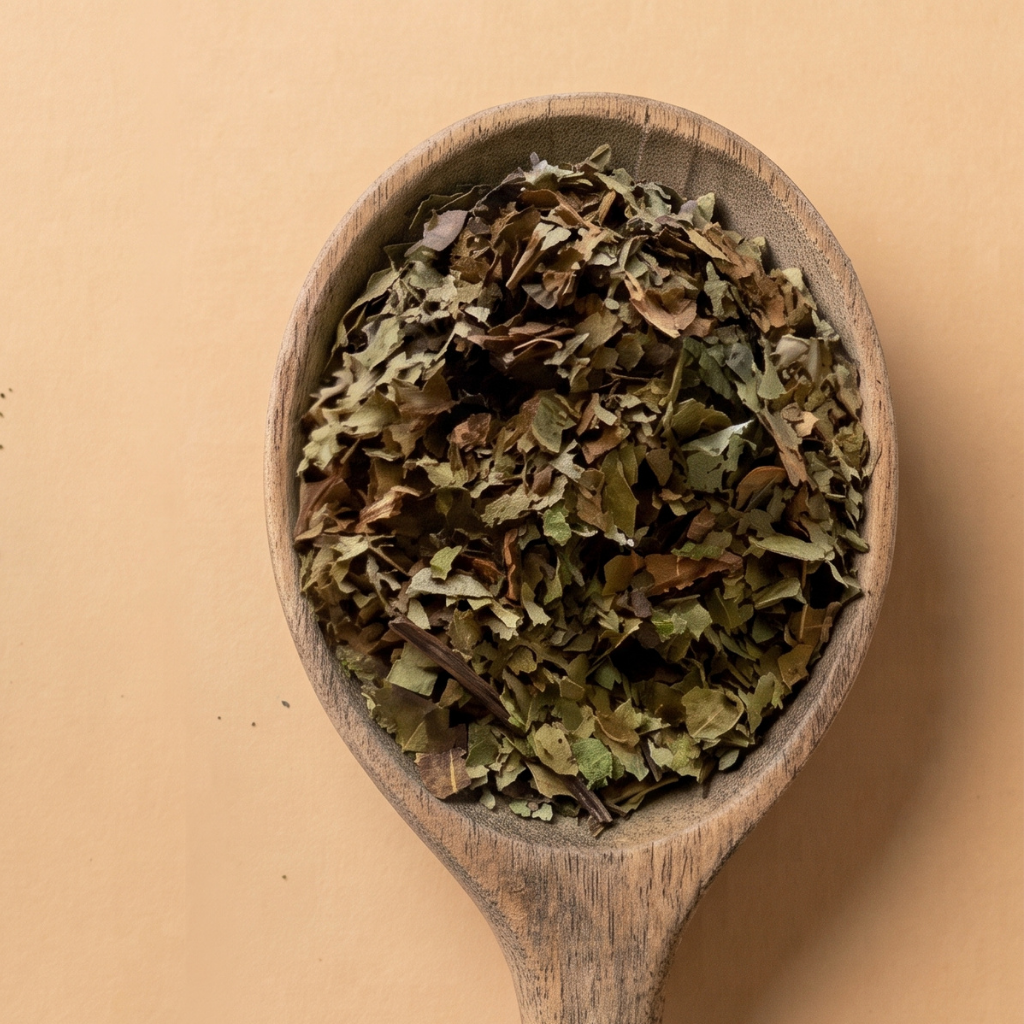
WALNUT LEAF
The Walnut Tree (Juglans regia / aromatic plant), an aromatic blend with green, slightly bitter, and subtly woody notes, is ideal for flavoring herbal teas, infusions, sauces, and traditional dishes. Prized for its digestive and invigorating properties, it adds authenticity, depth, and character to all your dishes. A natural product, it guarantees an intense aroma and carefully selected quality.
The walnut leaf is derived from the common walnut tree. The Persians (now Iran) were the first to cultivate this tree, hence its nickname « Persian walnut« .
Walnut leaves have been used for medicinal purposes for hundreds (or even thousands) of years. In fact, they have numerous health benefits:
- Asia: It is used to treat eczema, tuberculosis, herpes, and many other infections
- Europe: to prevent inflammation, abscesses, and excessive sweating
- France: It is still frequently used to treat the scalp or to treat burns.
In the kitchen, walnut leaves can be used to make liqueurs and sometimes even wines, and they can also be added to salads. Although they taste rather bitter at first, the flavor of these leaves can be a pleasant surprise if you know how to prepare them.
Did you know? The walnut tree is said to have the ability to prevent nearby plants from growing around it
Origins and Qualities
Source: Hungary
We harvest the wild leaves by hand between May and September. We then air-dry them.
States and Packaging
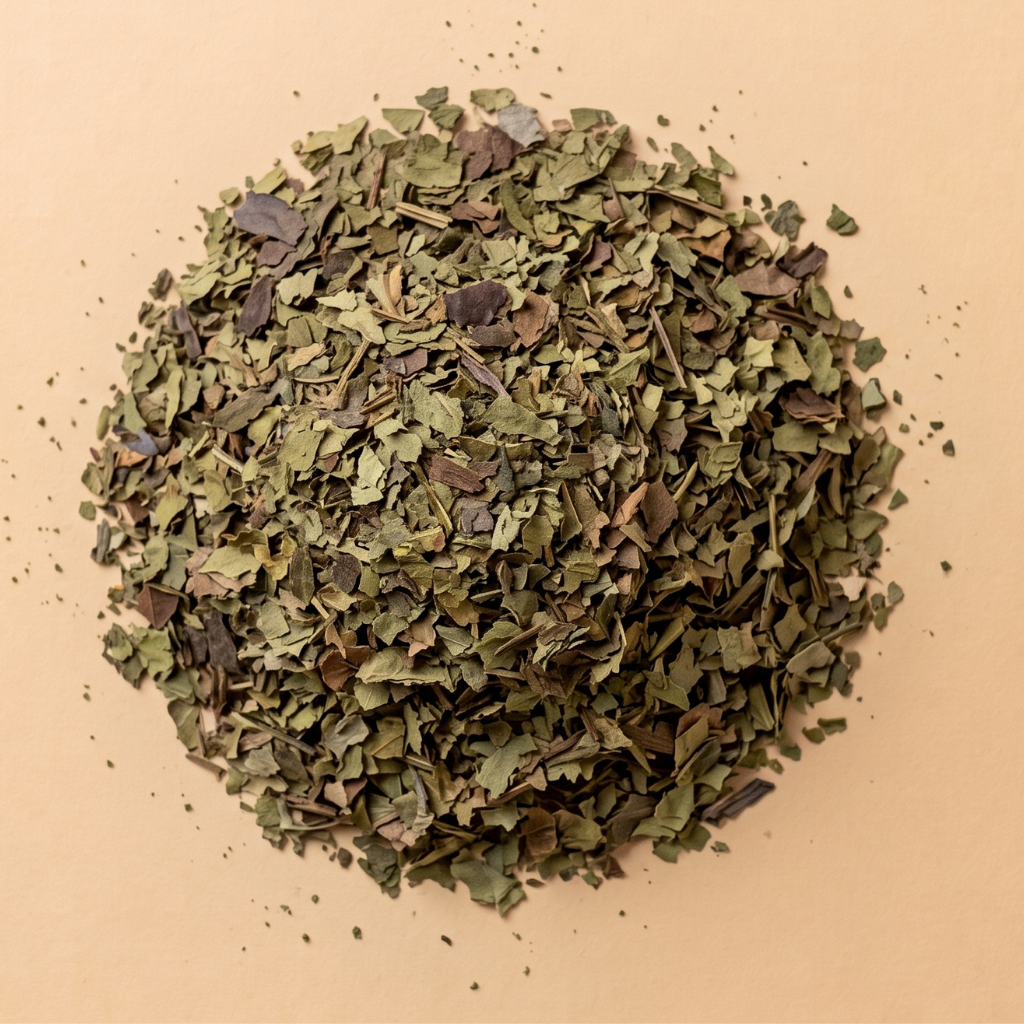
To meet all your wholesale walnut veneer needs, we offer our product in three distinct forms: whole, sliced, and powdered
The deciduous leaves of the walnut tree are greenish-brown in color and vary in size.
| Packaging | 100 g, 250 g, 500 g, 1 kg, 5 kg |
|---|---|
| Status | Whole, Powder |